
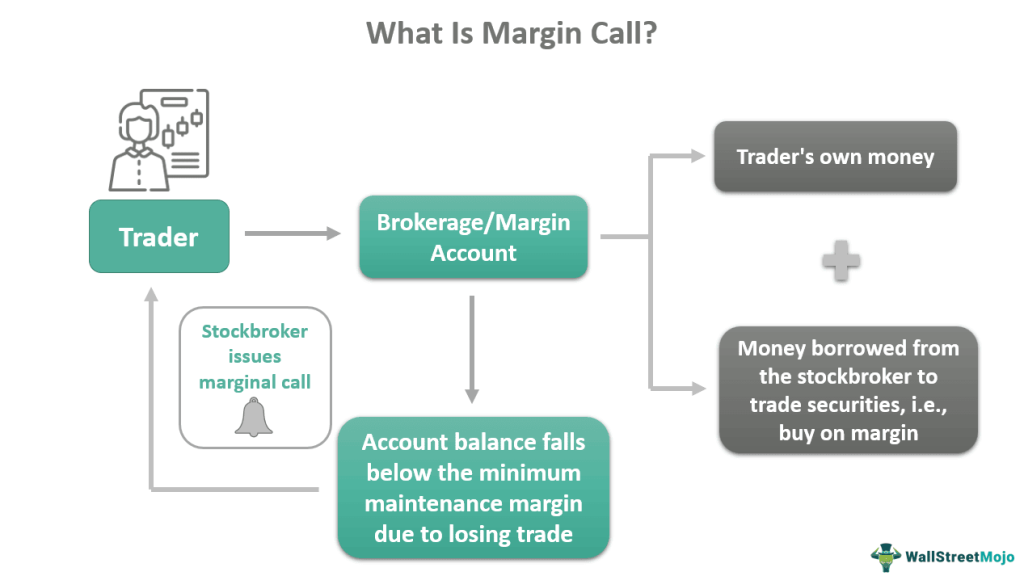
In the fast-paced world of trading, understanding margin calls is crucial for anyone engaging in leveraged positions across platforms like Interactive Brokers, E*TRADE, or Robinhood. Margin calls occur when the funds in a trader’s account fall below the maintenance margin required to keep leveraged trades open. This situation forces traders to either inject additional capital or reduce their exposure to avoid automatic liquidation. Being well-versed with the mechanics of margin calls is essential not only to protect one’s capital but also to navigate the complex policies of brokers such as Charles Schwab and Fidelity, where nuances in margin requirements can vary substantially.
It is important for traders to recognize that margin calls are not just a punitive measure but a protective mechanism designed to shield both the broker and investor from severe losses. Trading platforms like TD Ameritrade, IG, Saxo Bank, Plus500, and CMC Markets have incorporated automated systems that alert traders early, allowing them to take timely action. Such alerts are increasingly sophisticated in 2025, integrating real-time market data and predictive analytics. This evolution underlines why traders should maintain a prudent approach to leverage and diversify their holdings to mitigate the risk of hitting a margin call.
The Basics of Margin Calls and Their Role in Leveraged Trading Platforms
Trading with leverage means borrowing funds from a brokerage to increase the size of a position beyond one’s available capital. The margin represents the trader’s own funds committed to the trade. For example, using a 100:1 leverage ratio, opening a position worth $100,000 requires only $1,000 of margin. However, if adverse price movements diminish the account’s equity close to or below the maintenance margin, a margin call is triggered. This demands immediate attention and either additional deposits, position reduction, or risk liquidation by the broker.
Platforms such as Interactive Brokers and Fidelity highlight the intricacies of margin requirements, ensuring traders understand that margin calls are a broker’s risk control instrument. When traders overlook this critical aspect, their open positions may be forcibly closed, potentially at a significant loss. Hence, grasping leverage effects through detailed sources like the impact of leverage in margin trading is indispensable for any serious trader.
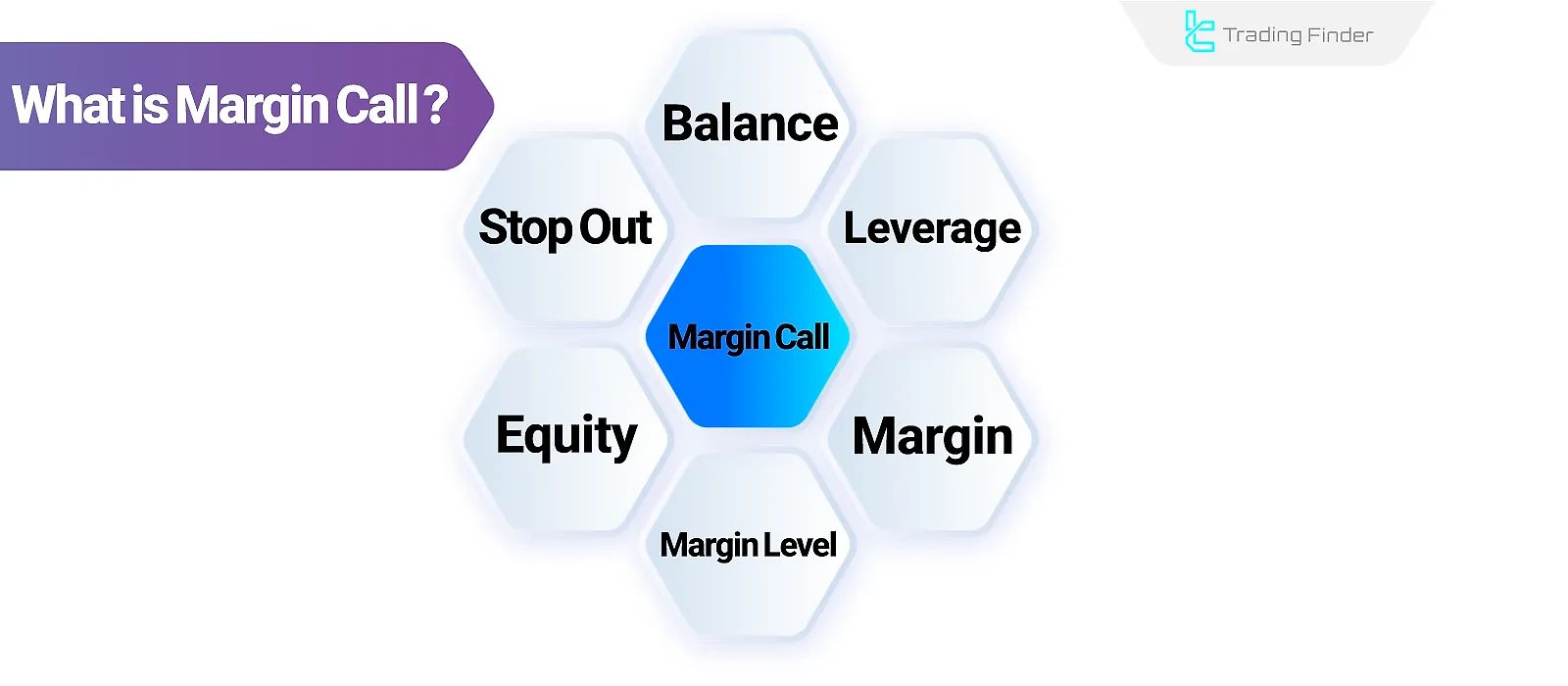
Key Triggers Leading to Margin Calls on Leading Trading Platforms
Margin calls typically arise when a trader risks an excessive portion of their capital or opens multiple positions without sufficiently monitoring combined margin usage. For instance, opening several positions simultaneously on a platform like Saxo Bank without regard for aggregated margin needs might push the account below the required threshold, triggering a call. Furthermore, market volatility can rapidly erode margins, especially on active platforms such as Plus500 and CMC Markets.
In 2025, with the increasing popularity of high-frequency trading and algorithmic strategies, margin call triggers have become more sensitive. Sophisticated broker systems integrate safeguards but still require traders to practice vigilant margin management. Utilizing stop-loss orders and diversification remains a proven strategy, as detailed in guides like the essential trading terms for beginners.
Strategies to Manage and Avoid Margin Calls in Volatile Markets
Effective margin call management hinges upon constant monitoring of one’s account balance and positions relative to margin requirements set by brokers such as Charles Schwab or TD Ameritrade. One of the common pitfalls is over-leveraging, which magnifies losses and accelerates the onset of margin calls. Using manageable leverage ratios, like those suggested in expert advice on forex account leverage, can reduce risk significantly.
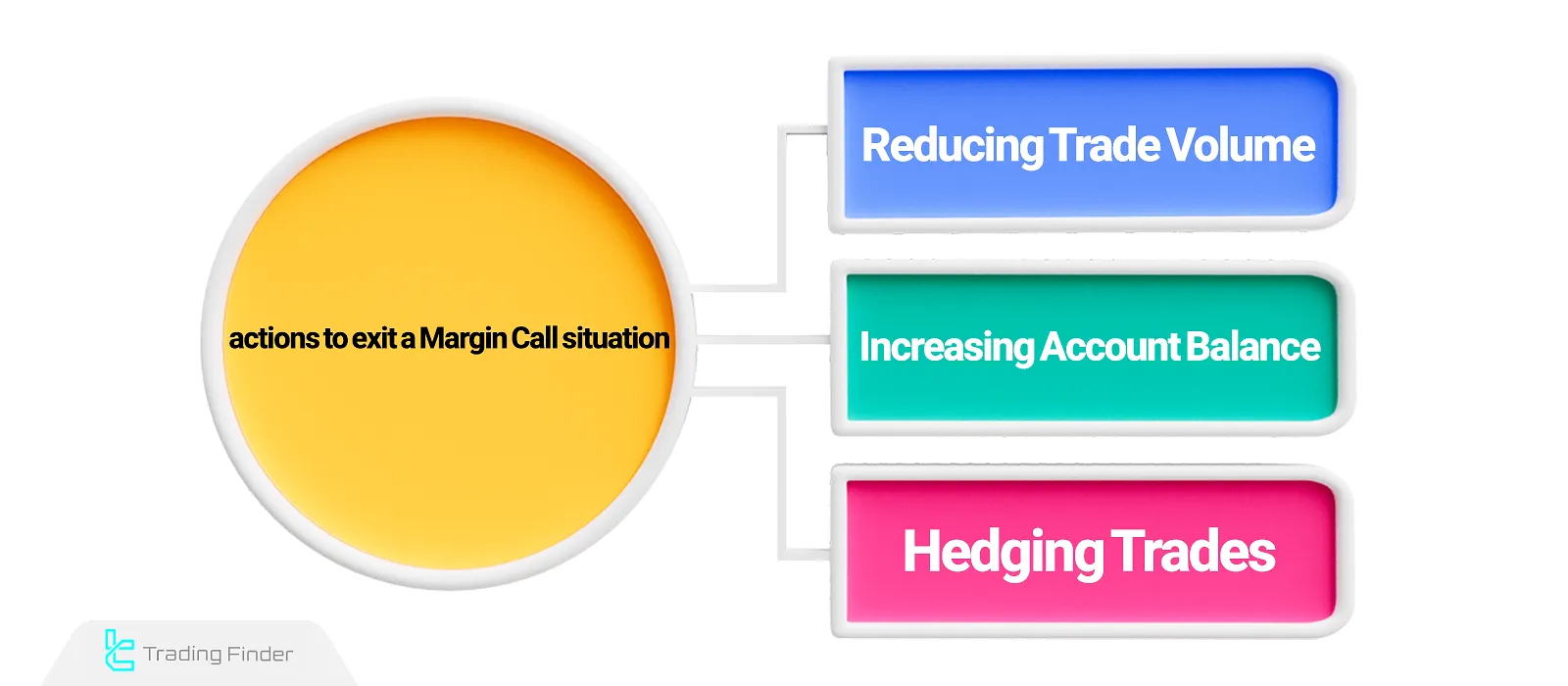
Another critical tactic includes the proactive adjustment of position sizes to reflect market conditions. Before margin calls become imminent, traders might scale out of positions or add funds strategically, thereby avoiding forced liquidations. Notably, platforms like IG and Robinhood offer features facilitating such adjustments with ease.
Responding Effectively to Margin Calls: Practical Insights
When caught off guard by a margin call, a quick, measured response can mean the difference between managing losses and catastrophic account wipeout. Deposit of additional funds is one remedy, but it carries the risk of magnifying losses, especially if the market remains unfavorable. Alternatively, reducing exposure by closing or downscaling positions is often advisable. For many traders, especially novices, understanding when to back off rather than aggressively trying to recover losses is a vital lesson shared across trading communities.
Ignoring margin calls can trigger automatic position liquidations, not only leading to realized losses but potentially damaging relationships with brokers like Fidelity or Interactive Brokers. For those curious about the different account types and how margin is managed therein, resources such as the broker account types guide offer essential insights.
