
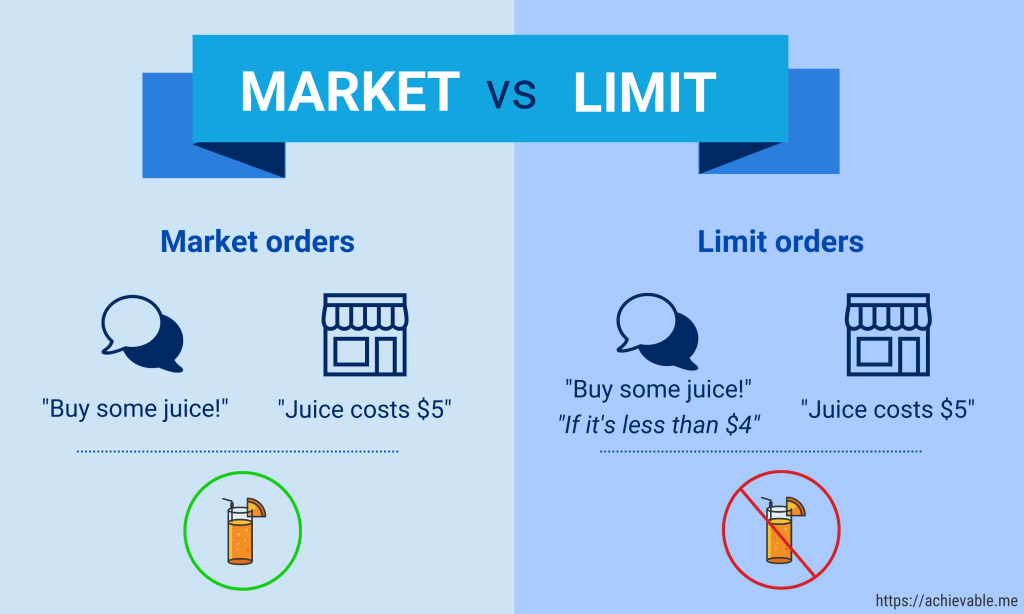
In the intricate world of trading, mastering the use of market and limit orders serves as a pivotal skill for anyone engaging on brokerage platforms such as Binance, Coinbase, or Interactive Brokers. Market orders emphasize execution speed, allowing traders to seize opportunities in rapidly shifting markets without delay. Conversely, limit orders place price control at the forefront, enabling investors to specify exact entry or exit points and thus mitigate the risks of slippage and unfavorable price movements. With the expansion of digital trading platforms such as Robinhood, eToro, and Fidelity, understanding these order types has become essential for strategic portfolio management, particularly amid the heightened volatility observed in 2025 financial markets.
Effective application of these orders reshapes the trading landscape by balancing immediacy against precision. A market order acts like a swift handshake, prioritizing rapid execution at prevailing prices, ideal in liquid markets like those serviced by Charles Schwab and TD Ameritrade. On the other hand, limit orders resemble setting a well-planned trap, lying in wait for the market to fulfill a trader’s specific price condition, enhancing opportunities for profit maximization or loss minimization. This nuanced understanding bridges the gap between raw market access and tailored investment tactics, a necessity for navigating the complexities of both traditional exchanges and crypto platforms like Kraken and Webull.
Mastering Execution: The Distinction Between Market and Limit Orders on Trading Platforms
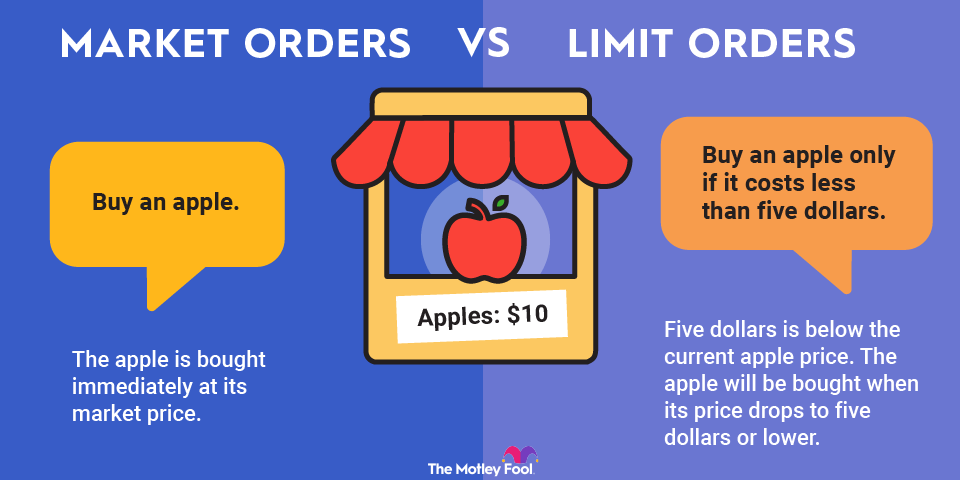
At the core of every trade lies the choice between immediacy and control, embodied in market and limit orders. Market orders guarantee instant execution by filling your trade at the current best available price. This immediacy is particularly invaluable during abrupt price changes or when participating in highly liquid markets like those accessed through brokers such as Binance or Coinbase. Yet, this speed comes at the cost of potential slippage – the risk of buying or selling at a price that diverges from expectations, especially in volatile or thinly traded assets.
In contrast, limit orders empower traders to specify the exact price at which they wish to transact, offering strategic entry and exit points. For example, an investor skeptical of Bitcoin’s current $30,000 could place a limit order on Interactive Brokers, buying only if the price drops to $29,500. Such precision eliminates slippage but introduces the possibility of missed trades if the market never reaches the limit price. This calculated patience allows market participants to maintain discipline and align their trades with broader strategies rather than reactive impulses, a methodology well facilitated by platforms like Robinhood and eToro.
Rapid Execution Versus Price Control: When Each Order Type Shines
The dichotomy between market and limit orders unfolds most starkly in their practical applications. Market orders stand unmatched for urgent trades demanding immediate execution, such as swiftly capitalizing on a sudden price dip or surge in cryptocurrency markets commonly traded on Kraken or Binance. Their straightforwardness suits beginners who value simplicity and certainty over perfect pricing, thereby often preferred on streamlined interfaces like Coinbase and Webull.
Conversely, limit orders excel when precision is paramount, ideal for strategic traders aiming to buy at support levels or sell into resistance, thus minimizing unwanted price slippage. This technique proves especially vital in volatile environments or when dealing with large orders that could otherwise influence market prices adversely. Such orders find their natural home on robust platforms like Fidelity or Charles Schwab, where comprehensive tools assist in tracking and adjusting pending orders over time.
Order Placement Mechanics: Step-by-Step Insights for Traders on Leading Platforms
Whether placing a market or limit order, the process begins by securely logging into your trading account on platforms such as Binance, Interactive Brokers, or Robinhood. For market orders, select the asset pair—say BTC/USD on Coinbase or ETH/USDT on Kraken—choose ‘Market Order’, specify the quantity, review estimated costs, and execute promptly to leverage the current market best price.
By contrast, placing limit orders entails choosing ‘Limit Order’, defining the precise price threshold, and the quantity desired. Traders must monitor these orders, as they remain open until filled or canceled, requiring active engagement to optimize outcomes. Platforms like Fidelity and Charles Schwab provide advanced tools to help manage these strategic orders, allowing users to respond dynamically to market changes while maintaining price control.

Mitigating Risks: Avoiding Common Pitfalls with Market and Limit Orders
Despite their utility, both order types harbor risks that, if ignored, can erode gains or intensify losses. Market orders encounter slippage, particularly in illiquid markets or during dramatic price shifts. Naively deploying market orders in thinly traded assets can unexpectedly magnify costs, an issue often overlooked by beginners on platforms like Robinhood or Webull.
Limit orders, while protective, carry the hazard of non-execution, withholding traders from participating in profitable moves when price thresholds are not hit. Moreover, failing to regularly monitor and adjust these orders can lead to missed opportunities, especially in fast-paced markets exemplified by assets traded on eToro or TD Ameritrade. Awareness of trading fees related to order types, highlighted extensively by commissions and fee schedules on platforms such as Charles Schwab and Fidelity, is crucial to maintaining profitability in active trading environments.
