
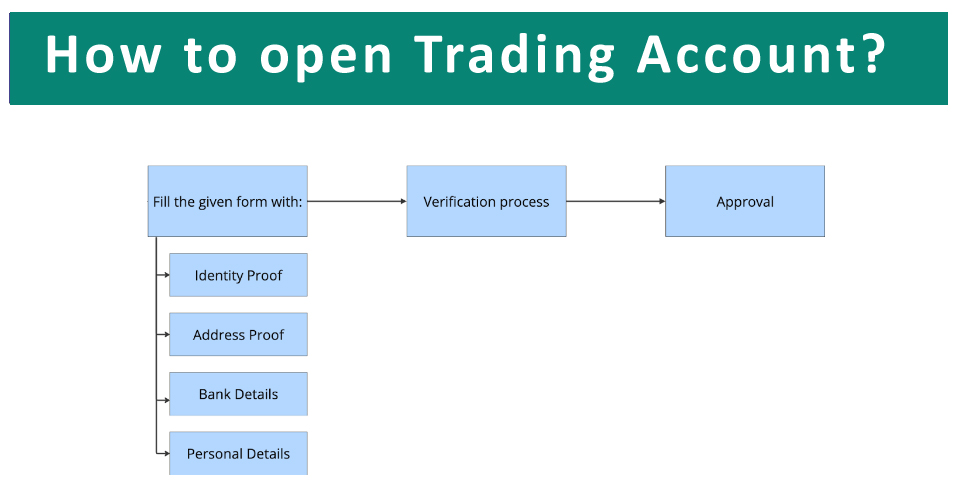
Opening a trading account marks the gateway to the dynamic world of financial markets, yet this seemingly straightforward step involves a carefully structured process. From verifying your identity to understanding the legal infrastructure that governs your account, the documentation required provides a dual layer of protection—for both the investor and the brokerage. Navigating this documentation not only satisfies regulatory requirements but also sets a foundation for a transparent and well-informed trading journey, empowering investors to participate with confidence and clarity.
In brief: Opening a trading account hinges on submitting essential documents such as proof of identity and address, tax compliance forms, and risk disclosure agreements. Assessing the brokerage’s features and regulatory compliance is paramount before committing funds. Account types vary—from cash to margin to tax-advantaged accounts—each carrying unique obligations and risks. Using well-established brokerages like E*TRADE, Charles Schwab, or Robinhood can streamline onboarding while ensuring robust investor protections. Meticulous preparation and understanding of paperwork underpin successful entry into trading ventures.
Essential documentation for initiating a trading account
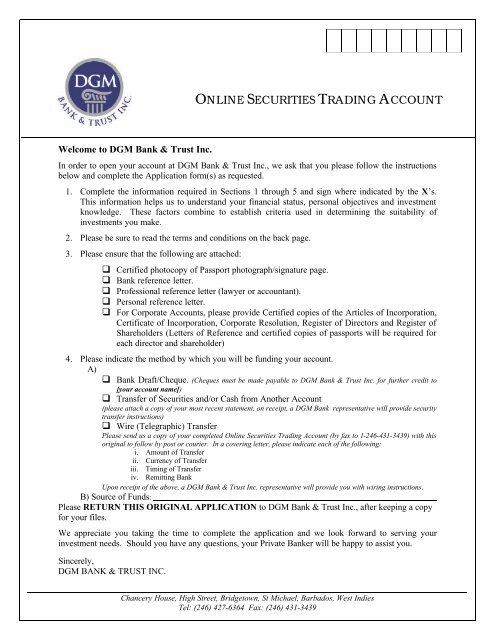
The outset of opening a trading account necessitates critical personal data collection, reflecting regulatory frameworks like Know Your Client (KYC) and Anti-Money Laundering (AML) mandates globally. Central to this is the account opening application, a contractual document where individuals declare their details including legal name, contact information, and tax identifiers. This agreement serves as the cornerstone for your trading relationship, legitimizing transactions and fund management. Brokerages such as Fidelity and TD Ameritrade emphasize comprehensive data capture, marrying legal compliance with operational readiness in their structured forms.
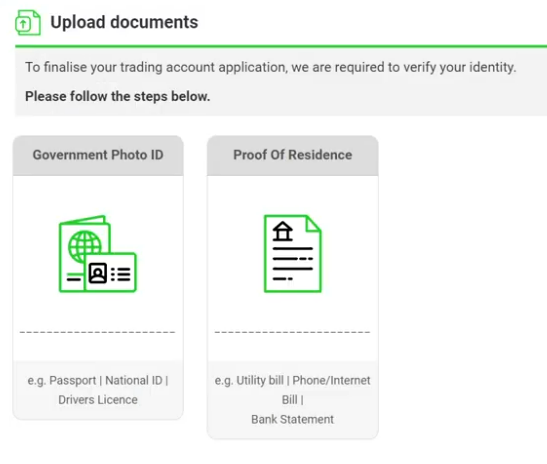
Verification documents safeguarding investor and brokerage interests
Integral to the KYC process are verification documents, chiefly proof of identity and proof of address. Proof of identity usually takes the form of government-issued IDs such as passports or driver’s licenses, instrumental in affirming the trader’s bona fide identity. Proof of address, provided via recent utility bills or official bank statements, substantiates the residential footprint required by regulation and fraud prevention protocols.
These measures, espoused by brokerages including Interactive Brokers and Vanguard, establish jurisdictional clarity crucial for compliance and operational integrity. Ensuring these documents are current and accurate accelerates account approval and mitigates the risk of fraud or account misuse.
Risk assessment and client suitability documentation
Investor protection regimes require brokers like Merrill Edge and Ally Invest to gather substantive information about each client’s financial background, investment objectives, and risk tolerance. These disclosures are typically encapsulated within a client suitability questionnaire or profile form, designed to tailor product offerings responsibly and prevent unsuitable trading activities.
The inclusion of a risk disclosure statement obligates traders to acknowledge the inherent volatility and potential for losses, particularly with leveraged instruments. Such transparency is vital, especially considering how margin accounts can amplify gains and losses, a feature carefully outlined in a broker’s margin agreement to define maintenance margin requirements and liquidation triggers.
Critical compliance and tax documentation ensuring lawful trading practices
Tax-related paperwork, including forms such as the W-9 for U.S. residents or the W-8BEN series for foreign investors, is mandatory to establish tax residency and reporting obligations accurately. These documents impact dividend withholding rates and capital gains taxation, safeguarding against erroneous financial reporting. Brokerages are diligent in requiring these forms before activating accounts to align with tax authority mandates.
Additionally, electronic consent forms authorize the digital delivery of contractual and regulatory disclosures, reflecting a modern shift towards streamlined online account management platforms widely adopted by players like Webull. This digital adoption enhances accessibility and reduces processing times, allowing investors to focus on strategy rather than paperwork.
