
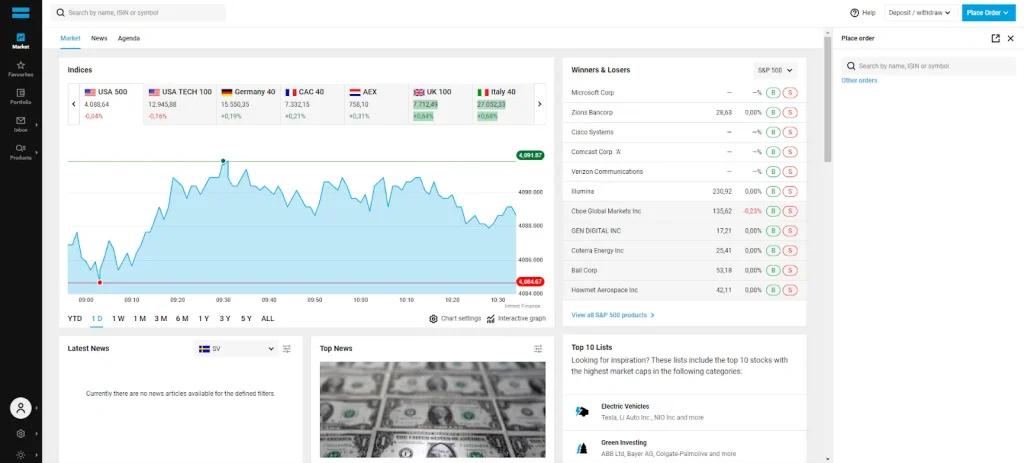
Europe remains a cornerstone of global finance, with its trading platforms representing both tradition and innovation. The continent’s rigorous regulatory framework, spearheaded by entities such as the European Securities and Markets Authority (ESMA) and national bodies like BaFIN and CySEC, ensures robust investor protection. This environment makes Europe one of the most reliable regions for trading forex, stocks, cryptocurrencies, and CFDs. The enforcement of MiFID II directives adds a layer of oversight that harmonizes operations across the European Economic Area, offering traders both security and access to a wide variety of financial instruments.
European platforms boast advanced technological infrastructure and cater to diverse trader profiles—from beginners to professional algorithmic traders. With the proliferation of mobile trading apps and low-cost brokerage models, more investors than ever can participate in the financial markets. Nevertheless, traders must navigate challenges such as restrictions on leverage and certain assets like cryptocurrencies within the EU, balancing opportunity with risk management. Selecting a broker with comprehensive regulation and transparent fee structures is paramount for sustainable trading success in Europe.
In brief:
- Strict and harmonized EU regulations ensure high safety standards for traders.
- MiFID II and ESMA provide unified regulatory oversight across member states.
- Leading platforms like eToro, IG, Saxo Bank, and Plus500 balance usability and compliance.
- European brokers benefit from negative balance protection and compensation schemes.
- Trading opportunities cover broad assets including forex, stocks, ETFs, CFDs, and cryptocurrencies.
- Knowledge of regulatory nuances and fee structures is critical for choosing the right platform.
Key Features of EU-Regulated Trading Platforms for Secure and Transparent Trading
Regulated trading platforms operating within the European Union are subject to rigorous compliance requirements that serve to protect traders’ interests while promoting market integrity. This regulatory rigor stems largely from directives such as MiFID II, which mandates detailed transparency, client classification, and best execution policies. Platforms regulated by CySEC, BaFIN, or FCA must strictly segregate client funds, ensuring these assets remain accessible and protected even if a brokerage encounters financial difficulties.
These platforms typically offer negative balance protection, safeguarding traders from losing more money than their deposited capital. Moreover, trader confidence is bolstered by mandatory disclosure of risks and comprehensive coverage of complaints and dispute mechanisms. Platforms like Saxo Bank and Interactive Brokers showcase the combination of technological sophistication and strict adherence to EU legislation. These features make them exemplary choices for those prioritizing both security and advanced trading tools.
How Regulation Shapes Trading Experience and Market Access
The impact of ESMA’s intervention has been notable in recent years, especially regarding leverage restrictions introduced to prevent excessive risk-taking by retail investors. European brokers are limited to a leverage of 1:30 for major currency pairs for retail clients, which may be lower compared to some offshore platforms but substantially reduces systemic risk for traders.
Additionally, these regulations ensure real transparency in fee structures. Trading platforms like Plus500 and XTB have streamlined commission schedules and spreads, providing clarity and efficiency for traders. This clarity contrasts starkly with many unregulated operators where hidden fees and slippage are common issues.
Diverse Trading Instruments Offered Through Compliant European Brokers
European regulated platforms extend access to a wide range of asset classes, allowing investors to diversify portfolios with ease. Popular markets include traditional equities, ETFs, forex, CFDs on indices and commodities, and increasingly, cryptocurrency pairs—although with certain limitations on leverage and asset types for retail clients.
The rise of social and copy trading, especially on platforms like eToro, has opened trading to novices who can imitate more experienced investors’ strategies. Meanwhile, brokers such as DEGIRO and Admirals provide low minimum deposits and intuitive interfaces, lowering barriers to entry for a wider demographic.
Advantages and Limitations of Trading within the EU Regulatory Framework
While EU regulation offers unparalleled protections, it also enforces certain trading limitations that some consider restrictive. Notably, the leverage cap constrains potential short-term gains and losses, which can be challenging for day traders seeking amplified returns. Furthermore, restrictions on derivatives and the cautious approach toward cryptocurrencies reflect the EU’s emphasis on investor protection over speculative exposure.
However, these measures foster a sustainable trading environment that discourages reckless behavior and reduces exposure to fraudulent operators. Traders who choose platforms under EU jurisdiction, including reputable names like IG and Trading 212, benefit from clear guidelines, a secure interface, and recourse should disputes arise.
