
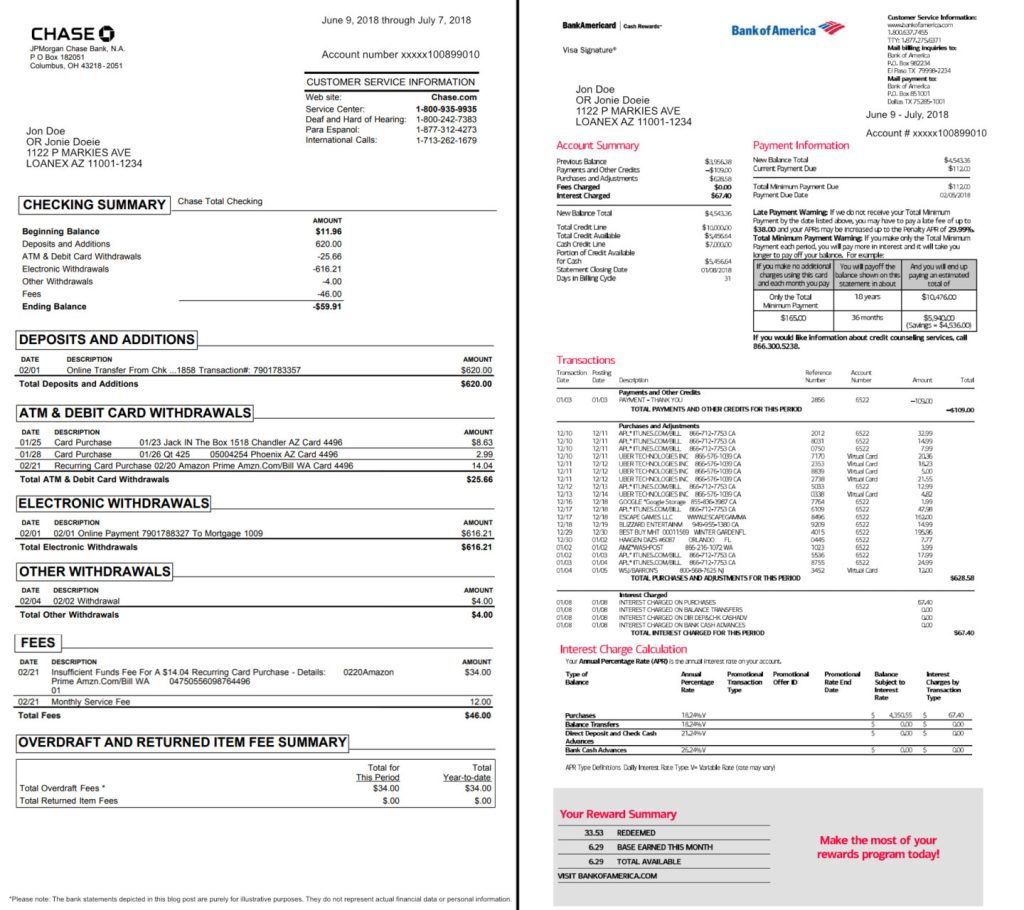
Broker account statements stand as the quintessential resource for investors eager to maintain a vigilant watch over their portfolios. Despite their importance, these documents often sit unopened, buried under piles of mail or digital clutter, due to their seemingly complex and dense presentation. Yet, understanding the intricacies embedded within these statements from major brokers such as Fidelity, Charles Schwab, and TD Ameritrade is crucial, especially when informed decisions can exponentially impact financial outcomes in 2025’s dynamic markets. They encapsulate a detailed snapshot of transactions, asset allocations, and the evolving value of investments, offering indispensable insights that transcend mere numbers to tell the story of portfolio health and broker accountability. As trading platforms evolve with digital innovation, firms like Robinhood and Interactive Brokers are also enhancing statement clarity, highlighting the essential role these documents play in navigating the labyrinth of trading fees, performance metrics, and regulatory disclosures. Investors who master reading these statements gain a formidable tool, empowering them to detect discrepancies, optimize asset distribution, and engage proactively with brokers through informed questioning and due diligence.
Key highlights in broker account statements include exhaustive yet standardized information sections: basic account details ensure correct record-keeping and communication, while asset summaries provide aggregated values across categories like equities, fixed income, and mutual funds. Visual aids such as pie charts and trend graphs from brokers like Merrill Edge and Vanguard translate these figures into digestible insights, illustrating the percentage allocations and temporal changes in portfolio value—critical for measuring returns against market benchmarks. Transaction details demystify dividend flows and security trades, revealing both fees and earnings, thereby enabling clients to track liquidity movements meticulously. Moreover, disclosures underscore regulatory obligations and promote transparency, flagging essential information about fee calculations and error reporting protocols. It is in scrutinizing these areas that one uncovers potential red flags—unusual fees, unauthorized trades, or counterfeits—which must not be overlooked. Awareness of this enables investors to protect their interests, leveraging available resources such as broker financial reports for comparative analysis and security tips to combat fraudulent activities. Ultimately, understanding what to look for in broker account statements is not merely an exercise in record-keeping but a proactive investment safeguard that cements trust and transparency between investors and their brokers.
Decoding Basic Account Information in Broker Statements for Clarity and Accuracy
The initial segment of any brokerage statement reveals foundational data: the account holder’s identity, statement period, and account number. This seemingly straightforward information is paramount to verify, as inaccuracies here may hint at deeper discrepancies or fraud attempts. Top-tier brokers such as Ally Invest and J.P. Morgan Investing emphasize user-friendly formatting in this section, simplifying the confirmation process for clients. Adjacent to identity details, the statement presents a summary of assets that details cash balances alongside managed and third-party portfolio valuations. Here, the distinction between the introducing broker—responsible solely for order execution—and the carrying broker, who holds and transacts assets, becomes crucial for understanding liability and service scope. Investors are advised to cross-reference their broker’s details with official contacts, a practice reinforced by comprehensive due diligence guides like broker due diligence. This not only confirms authenticity but also streamlines communication channels should issues arise. By mastering this section, investors lay the foundation for an informed review of their entire financial ecosystem, reducing the risk of administrative errors that could cascade into larger account management problems.
Unearthing Asset Allocation and Performance Benchmarks with Visual Tools
One of the most insightful portions of a brokerage account statement is the asset summary section, which breaks down holdings into key categories such as cash, equities, bonds, options, and mutual funds. This segmentation, punctuated by intuitive pie charts and trend graphs, enables investors to visualize how their capital is distributed and to assess risk exposure effectively. Vanguard and E*TRADE, pioneers in analytic clarity, harness visual representations to juxtapose beginning and ending portfolio valuations, projecting annual earnings and pinpointing performance anomalies. Such clarity helps investors question whether their asset allocation aligns with their investment goals or if rebalancing is necessary to mitigate undue risks. Moreover, annual projections grounded in historical data empower clients to forecast returns with greater confidence, reinforcing the strategic value of a thorough statement examination. Investors can also explore broker account fees through these insights, ensuring that cost structures do not undermine portfolio growth. In essence, engaging with asset allocation visuals transforms a static statement into a dynamic planning resource, blending quantitative rigor with actionable strategy.
Transaction Details and Changes in Account Value: Tracking Financial Movements
Delving deeper, the transaction details section catalogs dividends, interest earnings, trades, and funds transfers over the statement period. This granular log is invaluable for verifying that all activities reflect authorized and expected behavior, especially as brokers such as Robinhood and Interactive Brokers handle high volumes of rapid trades. Monitoring year-to-date changes alongside statement period values provides a continuous narrative of portfolio evolution, allowing investors to assess growth trends and identify volatile swings in asset value. This vigilance is critical in detecting unauthorized transactions or fee irregularities that might otherwise degrade financial health unnoticed. In tandem, the account and holdings summaries consolidate these movements into holistic snapshots, illustrating cash flows and asset performance across various investment types. Proactive investors often leverage this data to optimize future trade strategies or reallocate capital in response to shifting market conditions. Should any inconsistencies surface, immediate engagement with the broker is advised, with recourse available via regulatory bodies or investment fraud attorneys when necessary. For anticipation of fees related to inactive accounts, resources like account inactivity fees further inform investor vigilance, ensuring comprehensive oversight.

The Importance of Disclosures and Vigilance Against Red Flags in Broker Statements
The disclosures section, often overlooked yet pivotal, houses definitions, fee structures, and guidelines for reporting discrepancies or errors. Top brokers like Merrill Edge and Charles Schwab integrate clear disclosures to enhance transparency and client empowerment, underscoring the ethical nexus between financial institutions and investors. Recognizing red flags—such as errant fees, suspicious transaction patterns, or unexpected account changes—is instrumental in safeguarding assets and retaining confidence in one’s broker. Investment scams are continually evolving, with fraudulent entities mimicking legitimate statements complete with counterfeit logos and manipulated contact information. Armed with verification techniques, investors are urged to authenticate statements using previously verified contacts rather than relying on potentially doctored details. If suspicions arise, consulting account verification processes can clarify the statement’s legitimacy. In egregious scenarios, the involvement of regulatory authorities and legal counsel becomes essential, empowering investors to address misconduct decisively. Ultimately, integrating rigorous scrutiny throughout the statement reading process transforms what might be sterile documentation into a robust defense against financial mismanagement and fraud.
