
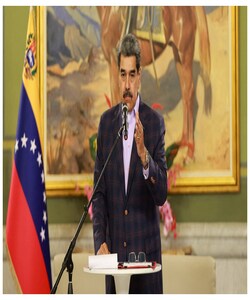
In an unprecedented intertwining of spiritual diplomacy and hard-nosed political maneuvering, the Vatican has emerged as a clandestine yet pivotal actor in the high-stakes negotiations surrounding Nicolás Maduro’s exit from Venezuela’s turbulent political scene. The surprising involvement of Pope Leo XIV—the first American pontiff—underscores not only the Vatican’s deep diplomatic reach but also the complexities of international relations where moral authority meets geopolitical strategy.
A secret meeting on Christmas Eve between Cardinal Pietro Parolin, the Vatican’s key diplomatic figure, and Brian Burch, the U.S. ambassador to the Holy See, unveiled an earnest Vatican attempt to shape an exit strategy for Maduro that respects Venezuelan sovereignty while navigating the pressures exerted by Washington. This delicate balancing act reflects the Vatican’s traditional but often covert role as a mediator in global crises, blending spiritual guidance with pragmatic diplomacy amid a political crisis of enormous international consequence.
Vatican’s Diplomatic Intervention in Venezuelan Political Crisis
The Vatican’s diplomatic foray into Venezuela’s political turmoil illustrates its evolving role in contemporary international relations. Under the leadership of Pope Leo XIV, who openly criticized the U.S. administration’s prior military approach toward Maduro, the Holy See sought a less violent resolution by urging negotiation over force. The Pope’s pointed calls for respecting the Venezuelan people’s rights and human dignity highlight a fundamental clash between traditional diplomatic ethics and the United States’ aggressive tactics in the region. This approach aligns with the Vatican’s historic pattern of mediation, leveraging soft power to forge peace in seemingly intractable conflicts.
The Strategic Dialogue Between Vatican and United States on Exit Strategy
The Christmas Eve meeting was more than symbolic. Cardinal Parolin meticulously pressed Ambassador Burch for clarity on U.S. intentions—whether the administration was pursuing a targeted anti-drug campaign or a full regime change. The Vatican’s insistence on an exit door for Maduro is telling; it represented a rare plea for a dignified resolution capable of averting further bloodshed. Moreover, the acknowledgment of Russia’s offer of asylum to Maduro added layers to the geopolitical chessboard, complicating any straightforward resolution and underscoring the international reach of the crisis. These intertwined negotiations reflect broader themes seen in key negotiation efforts in Europe and the nuanced diplomacy shaping today’s world.
Behind the Scenes: The Vatican’s Longstanding Role in Mediation
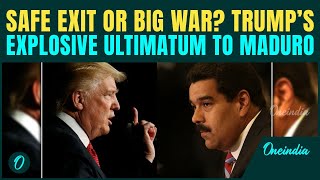
The Vatican’s influence extends beyond moral exhortations; its sustained efforts to mediate Venezuela’s polarized divisions over the past decade demonstrate a commitment to subtle diplomatic solutions. Cardinal Parolin’s unique experience as a former nuncio in Caracas and intermediary in multifaceted disputes—ranging from Ukrainian conflicts to Russia’s strategic moves—positions him as a linchpin in complex negotiations. Despite the known tensions between the Vatican and U.S. policymakers, this episode reveals a concerted attempt to harmonize diplomatic objectives and promote political stability, contrasting sharply with more forceful policies considered by the U.S. White House, as seen in the Maduro-Trump negotiations in Venezuela.
The Intersection of Moral Authority and Geopolitical Realities
Pope Leo XIV’s position carries exceptional weight, given his leadership of 1.4 billion Catholics worldwide and his vocal stance on humanitarian concerns. His critique of military interventions orchestrated by former U.S. President Donald Trump reflects a fundamental tension between religious influence and realpolitik. The Pope’s tenure is marked by calls for humane treatment of migrants and vulnerable populations, clashing with aggressive nationalist agendas. This dichotomy exemplifies the challenges faced by global leaders who must reconcile ethical imperatives with the harsh demands of international negotiation and pressure, a theme reminiscent of the Trump administration’s controversial dialogues on Ukraine.
Consequences of the Secret Talks on Regional Stability and International Relations
Despite the Vatican’s entreaties for a measured and strategic exit, the unfortunate outcome was Nicolás Maduro’s abrupt capture by U.S. special forces, resulting in significant casualties and an escalation of diplomatic tensions. This turn of events highlights the limits of secret diplomacy amid competing global interests, including Russia’s vested support for Caracas and its oil sector. The episode is a stark reminder of the fragile equilibrium in international relations, where efforts at mediation can be swiftly overtaken by unilateral actions. It also reflects the broader narrative of the 2026 political landscape, entangled in complex strategies of negotiation and power plays similar to ongoing peace talks and conflict resolutions elsewhere.
