
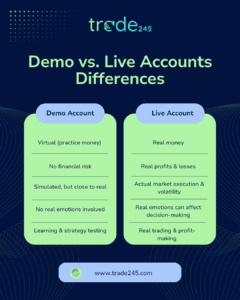
Transitioning from a demo trading account to a live one marks a critical evolution in any trader’s journey. While demo platforms are invaluable for building technical skills and testing strategies without financial risk, real trading confronts individuals with the raw emotions and unpredictable nature of genuine markets. Brokers like MetaTrader, eToro, and Interactive Brokers provide seamless switching capabilities to facilitate this leap, but the deeper challenge lies in mastering the psychological and procedural shift. Achieving consistent profitability in a simulated environment is just the beginning; adapting to the realities of slippage, spread anomalies, and executing disciplined risk management under live conditions demands meticulous preparation and emotional resilience.
In essence, the switch to live trading is not simply a button click; it requires prior readiness verified through sustained strategy performance, control of emotional impulses, and confident use of trading platforms. One must embrace a disciplined mindset, expecting market volatility and execution delays while sticking rigidly to tested risk limits. Efforts to transition prematurely often lead to costly errors cherished only in hindsight. Facilities such as IG Group and Saxo Bank emphasize the importance of gradual scaling, starting with modest live capital and continuing demo engagements in parallel to refine techniques. Such prudence nurtures the trader’s evolution, fundamentally distinguishing mere participation from true trading mastery.
In brief: Demo accounts serve as training arenas, allowing strategy testing under risk-free conditions. Live accounts introduce authentic market mechanics, emotional stakes, and execution complexities. Key readiness markers include sustained strategy success, disciplined risk management, and emotional control. Switching platforms like TD Ameritrade or Charles Schwab often feature easy one-click toggles, but mental preparedness transcends technical convenience. Starting live trades with small capital and simultaneously maintaining demo testing maximize learning. Recognizing psychological disparities and adjusting accordingly guard against impulsive decisions and overleverage, which otherwise jeopardize profits.
Streamlining the Switch: How Modern Platforms Ease Demo to Live Transitions
Several advanced trading platforms recognize that the transition speed between demo and live accounts can significantly impact trader success. Platforms such as MetaTrader and FOREX.com incorporate straightforward interface elements allowing users to toggle between demo and live modes with a single click, either on the login screen or within user settings after login. This seamless switch removes logistical friction and empowers traders to capitalize on favorable market conditions detected during demo testing by quickly deploying live orders.
For example, a trader testing a breakout strategy on a demo account can instantly shift to live when a high-impact economic announcement induces increased volatility. This immediacy reflects how brokers, including Plus500 and CMC Markets, enhance user experience, making the technical transition nearly effortless. Yet, emotional readiness remains the pivotal bottleneck—without it, even the best platform features cannot prevent impulsive errors under live pressure.
Mastering Risk and Emotional Discipline Before Going Live
Moving to live trading requires more than demonstrating profitability on a demo account. It mandates a disciplined approach where risk management is non-negotiable. Traders must employ consistent trade sizing, typically risking a small fixed percentage of capital per trade, alongside strict adherence to stop-loss and take-profit orders. This approach is crucial when transitioning to platforms like IG Group or TD Ameritrade, where real market execution involves slippage, wider spreads in times of volatility, and occasional partial fills—phenomena absent or mitigated in demo conditions.
Equally important is cultivating emotional discipline. Demo trading does not replicate the psychological pressures of risking actual funds. A systematic journal noting each live trade’s rationale, execution details, and emotional responses helps bridge this gap. It instills accountability and encourages reflection, preventing common pitfalls like revenge trading or overleveraging seen in novice live traders. As a prudent measure, many experienced traders maintain simultaneous demo sessions to trial new ideas without real capital exposure, a practice aligned with recommendations from trusted brokers such as Saxo Bank and Charles Schwab.
Identifying the Right Moment to Switch: Objective Readiness Over Arbitrary Timelines
The urge to move into live trading varies among traders, but the decision should rest on objective benchmarks rather than predetermined schedules. A trader must confirm that strategies perform consistently across diverse market cycles, documented by robust trade histories involving 100 or more trades. Additionally, emotional readiness—acceptance of potential losses and maintenance of discipline—is equally decisive.
Traders leveraging platforms such as eToro or Interactive Brokers often find benefit in their comprehensive educational tools and risk calculators, reinforcing preparedness. Embracing gradual live capital allocation minimizes shock and supports continuous adjustment. This phased methodology also integrates well with advanced broker features offered by Charles Schwab or Plus500 that support multi-account management, further easing integration between demo experimentation and live execution.
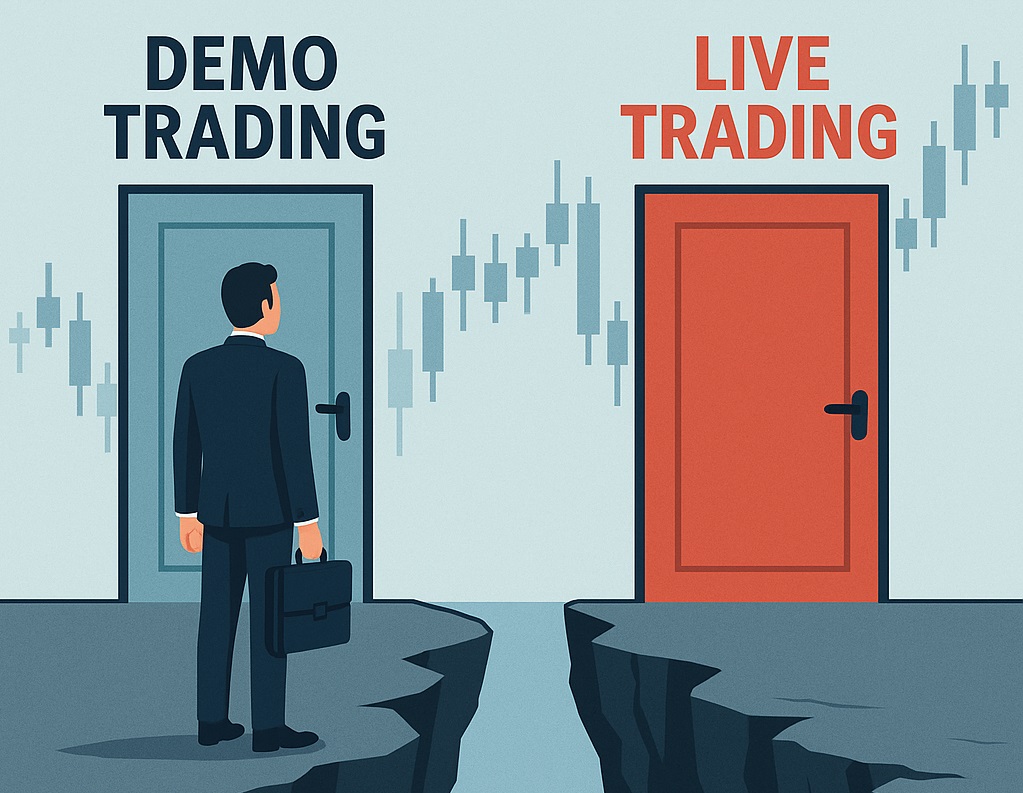
Overcoming Psychological Hurdles Unique to Live Trading
Real-money trading surfaces emotional reactions absent in demo trading: fear, euphoria, impatience, and doubt can skew judgment dramatically. Overcoming such psychological barriers requires conscious acknowledgment of these tendencies and active management strategies. Traders who succeed often develop rituals—pre-trade meditation, scheduled breaks, or peer discussions—to maintain clarity.
Moreover, understanding that slippage, spread widening, and market noise are normal live market factors helps align expectations with reality, avoiding frustration-driven impulse decisions. This mindset shift is vital when using platforms like IG Group or MetaTrader where order execution is subject to real-time conditions.
