

The global currency market offers a complex yet fascinating arena where currencies continuously fluctuate, driving the pulse of the global economy. At its core, FOREX trading represents the exchange of currency pairs, reflecting ever-shifting exchange rates influenced by diverse economic indicators, geopolitical events, and market sentiment. This decentralized financial ecosystem operates beyond the constraints of traditional stock exchanges, allowing participants from central banks to individual traders to engage in foreign exchange transactions around the clock. Navigating this terrain requires an astute understanding of market dynamics, robust market analysis, and a strategic approach to investment strategies. Unpacking the structure and function of the FOREX market unveils opportunities and risks that define modern financial markets, where swift decisions and informed insights can yield substantial rewards.
In brief:
– FOREX stands as the world’s most liquid and expansive currency market, operating 24/5 with over $7 trillion daily turnover.
– Exchange rates fluctuate based on economic data, political stability, and market psychology, affecting currency pairs moment-to-moment.
– Effective market analysis integrates both technical and fundamental factors to guide trading activities.
– Access to reliable platforms and understanding different trading account types substantially impact trading outcomes.
– Responsible leverage usage and risk management define sustainable success in this fast-paced environment.
Decoding the Structure of the Foreign Exchange Market and Its Worldwide Impact
To grasp the FOREX market’s operation, it’s essential to consider its decentralized nature, where transactions bypass centralized exchanges and occur electronically over-the-counter (OTC). This structure allows continuous trading across multiple global financial centers, from London to Tokyo and New York, aligning with local business hours yet ensuring a 24-hour marketplace. Currency pairs such as EUR/USD or USD/JPY, represent the foundational instruments of trade, reflecting relative values that shift in real time. The influence of macroeconomic factors—interest rates, inflation, GDP growth—and geo-political developments ripple through these pairs, altering exchange rates dramatically. For instance, a change in US Federal Reserve policy can swiftly sway the US Dollar’s value globally, cascading effects across financial markets.
Such a market structure necessitates comprehensive market analysis that balances fundamental insights with technical indicators to anticipate movements and evolving trends.
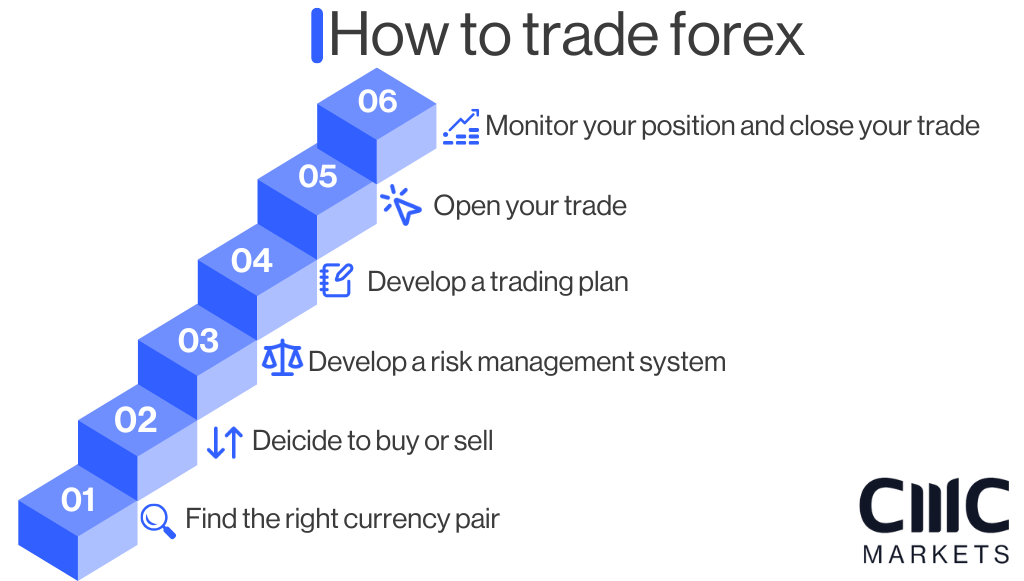
How Economic Indicators Shape Currency Values and Trading Behaviour
Economic news and statistics profoundly impact FOREX prices. Employment reports, inflation figures, trade balances, or central bank decisions not only inform but often trigger abrupt sentiment shifts. Traders following these indicators meticulously time their entries and exits, leveraging this data to refine investment strategies and maximize returns. The agility in processing such information hinges on access to real-time data feeds and trustworthy platforms. Meanwhile, novice traders must be wary of overreaction to headline figures, as volatility often leads to rapid reversals. The interplay between economic fundamentals and trader psychology ultimately crafts the evolving narrative behind each currency pair.
Understanding these dynamics demands a nuanced approach, integrating continuous education and vigilant market monitoring.
Choosing the Right Trading Platform and Account Type to Optimize FOREX Trading Success
The foundation of effective trading lies not just in market knowledge but in the tools and services leveraged. Selecting an appropriate platform requires scrutiny of features such as execution speed, interface usability, and available analytical tools. In 2026, technologies have further evolved, enhancing security and accessibility across devices. Traders must compare options to align with their strategy and risk appetite, guided by insights into broker trading platforms and regulatory oversight. Additionally, an understanding of demo versus real accounts plays a crucial role in skill-building without financial exposure.
Equally important is choosing the suitable trading account type, whether standard, micro, or managed accounts, which can significantly affect leverage choices and margin requirements, thereby influencing overall risk profiles. Comprehensive guides on broker account types help clarify these options, empowering traders to calibrate their approach with precision.
Risk Management and Leverage in a High-Volatility Environment
Leverage magnifies potential profits but equally escalates risks, a balance every trader must master. Excessive leverage can lead to margin calls or total capital loss, especially during periods of heightened market volatility driven by unpredictable news or global crises. Thus, successful FOREX traders institute disciplined risk controls, including stop-loss orders and position sizing aligned with personalized risk tolerance. Platforms offering negative balance protection and advanced order types provide critical safeguards. Moreover, understanding the implications of leverage within the context of margin calls on trading platforms equips traders to respond effectively to sudden market swings, maintaining capital integrity over the long term.
Proper risk management is not merely a defensive tactic but a proactive strategy integral to sustainable success in the fluid landscape of foreign exchange.
