
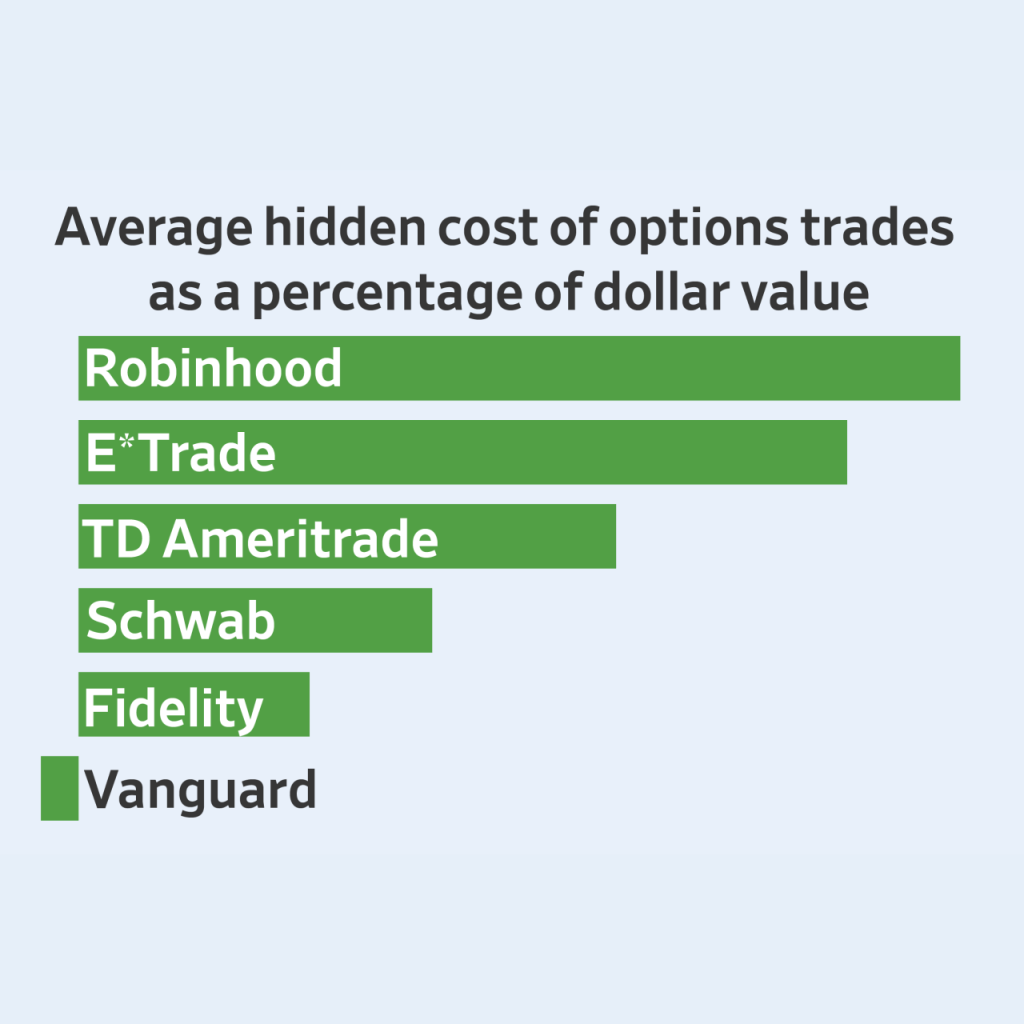
In the rapidly evolving landscape of financial markets, traders often find themselves entangled not only in market volatility but also in the labyrinth of hidden costs embedded within trading platforms. These covert expenses—ranging from deceptively small spreads to elusive slippage and under-the-radar commissions—can quietly erode profits. Many platforms tout “commission-free” or “low fees” as headline features, yet beneath this façade lurk charges such as overnight financing fees, withdrawal costs, and data subscription payments, all of which compound over time to impact net returns significantly.
Understanding these hidden expenses is no longer optional; it has become imperative for traders aiming to preserve capital and enhance profitability. The subtle differences in fee structures among brokers can mean the difference between a thriving portfolio and one steadily drained by fees. Moreover, the volatility of global markets and the prevailing technological advancements in order execution amplify these costs, often manifesting as slippage or widened spreads, especially during peak trading hours or in less liquid assets.
Key points to keep in mind: Hidden costs in trading platforms often include commissions, spreads, slippage, swap fees, data access charges, withdrawal fees, and inactivity penalties. These fees not only reduce immediate profitability but also accumulate over time, disproportionately affecting high-frequency traders. In addition, platforms offering seemingly attractive “zero commission” trades may compensate with wider spreads or data fees, underlining the necessity for transparent and comprehensive cost analysis. Selecting brokers with recognized regulatory compliance and transparent pricing models ensures better control over your trading expenditures. Consider tools like TrueTradeCosts and FeeLens to perform detailed fee comparisons and avoid surprises. Finally, strategic trading decisions—such as using limit orders and managing leverage prudently—can mitigate the impact of these hidden costs.
Decoding the Invisible Expenses in Trading Platforms: Unmasking TrueTradeCosts
Every trade executed on a platform brings with it more than the apparent transaction fees. Critical to revealing these obscured expenses is an understanding that spreads and commissions form only part of the total trading cost. TradeTransparency efforts by seasoned traders show how slippage, which emerges from market volatility and execution delays, silently chips away at trader profits. A practical example is when an order placed to buy shares at a known price ends up executing at a less favorable rate due to rapid price fluctuations—this difference, though small per transaction, may balloon over numerous trades.
Moreover, the interplay between spreads and commissions demands scrutiny. Platforms advertising “commission-free” trades often compensate through wider spread margins. A close examination reveals that brokers might widen their spreads considerably during volatile periods or for less liquid assets, making the actual cost to traders substantially higher than advertised. This calls for comprehensive broker comparisons, referencing guides such as comparing stock brokers to pinpoint which offer tighter spreads and lower commissions, thus delivering more value for your trades.

The Impact of Commissions and Spread Variability on Profit Margins
Trading commissions, often overlooked in superficial platform reviews, represent a fixed or variable deduction per trade that directly diminishes returns. Frequent traders understand the cumulative effect, where seemingly negligible fees accumulate rapidly over several trades, turning profitable strategies into breakeven or losing ventures. Platforms differ by employing fixed fees or tiered structures where higher volumes can reduce the per-trade cost. For instance, brokers charging a standard $5 commission per trade may seem affordable until monthly tallies reveal a significant drag on earnings.
Spreads, inherently variable, fluctuate with asset liquidity and market conditions. Platforms employing variable spreads may offer tighter margins during tranquil market phases but inflate spreads amidst volatility, adversely affecting trade entry and exit points. Investors should therefore examine brokers with consistently narrow spreads, as illuminated in broker spread importance studies, enabling better cost predictability and enhanced profit retention.
How Slippage and Overnight Fees Influence Trading Outcomes: The FeeExpose Phenomenon
Slippage—where the execution price deviates from the intended price—constitutes a subtle yet critical hidden cost, particularly prevalent during high volatility or low liquidity periods. Its unpredictable nature forces traders to reassess their risk management and place a premium on limit order usage. Platforms with sophisticated order routing and fast execution algorithms, identified through market limit orders platforms reviews, can significantly reduce slippage incidents.
Overnight or swap fees are another frequently overlooked cost. Traders holding leveraged positions beyond daily market close incur financing costs reflecting the interest differential between traded currencies or the cost of maintaining margin positions. Such fees can substantially erode gains, especially when positions are open for extended periods. Savvy traders must weigh these fees in their strategy and consider brokers offering transparent swap fee disclosures, as highlighted in leverage and margin trading analyses.
Additional Cost Elements—Withdrawal Fees, Data Charges, and Inactivity Penalties
Beyond trading-specific expenses lie platform-related charges such as withdrawal fees, which vary depending on method and region. For example, withdrawing funds via bank transfer or third-party payment processors often incurs distinct fees, which cumulatively impact net capital. Guidance on navigating these costs can be found in comprehensive withdrawal guides like deposit and withdrawal guides.
Data fees remain a subtle drain on profits, with premium market analytics and real-time data packages priced separately. While instrumental for certain traders, these add-on subscriptions should be evaluated for cost-benefit viability. Additionally, inactivity fees penalize dormant accounts, discouraging infrequent trading without forewarning. To avoid these, traders are advised to select brokers with transparent inactivity policies and consider account types carefully, as advised in broker account types guides.
