
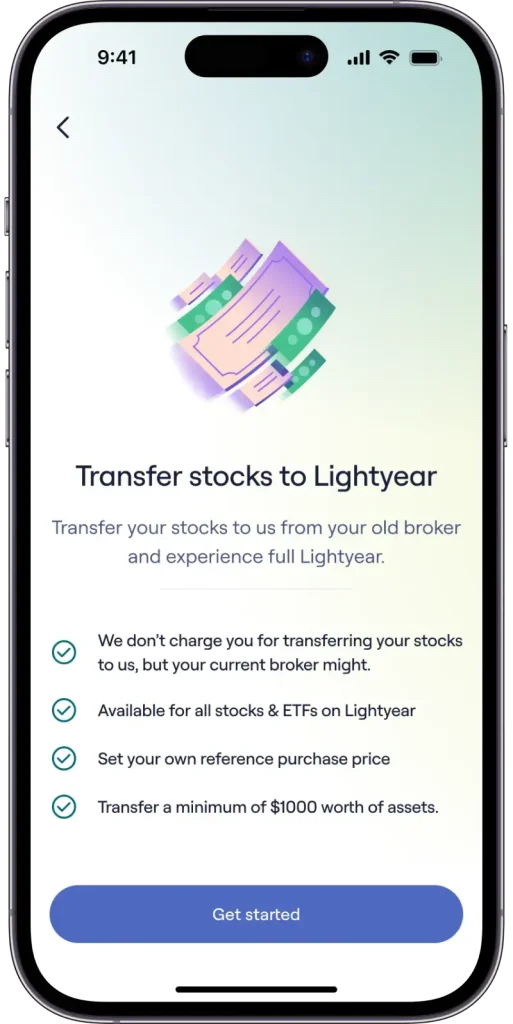
Transferring assets between brokerage accounts has become a strategic move for many investors seeking to optimize their portfolios and reduce costs. In 2025, this process, once considered intricate and time-consuming, has been streamlined by technological advances and the widespread adoption of systems like the Automated Customer Account Transfer Service (ACATS). Whether the motivation lies in accessing robust trading platforms from firms like Charles Schwab or obtaining commission-free trades often offered by Fidelity and Robinhood, investors are empowered to transition their holdings without liquidating assets, safeguarding both tax positions and market timing.
Prior to initiating a transfer, it is crucial to prepare by reviewing both your current and prospective broker’s policies on transfer fees, permissible asset types, and platform compatibility. Some brokerages may impose an outgoing transfer fee, but this cost is sometimes reimbursed by the new brokerage, especially when signing up with promotions found on broker signup bonuses lists. Understanding these financial implications alongside potential limitations — for instance, fractional shares or niche securities that may not transfer smoothly — helps prevent unexpected delays or complications. Many investors gravitate towards trusted names such as Interactive Brokers and E*TRADE, which balance technology and customer service, making them ideal platforms to receive transferred assets.
Essential Preparations Before Transferring Brokerage Assets
The first step involves thorough due diligence: verifying your current account is clear of outstanding fees and ensuring that the investment products you plan to move are supported by your new brokerage. This precaution prevents transfer denial due to discrepancies in products offered. Account types must align too; for example, Individual Retirement Accounts (IRAs) can only be transferred to similar IRA accounts to maintain tax-advantaged status.
Investors should also gather the necessary documentation: your account numbers, asset symbols, and quantities, even if transferring entire accounts wholesale. Having this data on hand facilitates easy verification post-transfer. A smooth transition minimizes downtime and preserves uninterrupted access to your portfolio, particularly important for frequent traders leveraging platforms such as TD Ameritrade or JP Morgan Self-Directed Investing.
Leveraging the Automated Customer Account Transfer Service (ACATS)
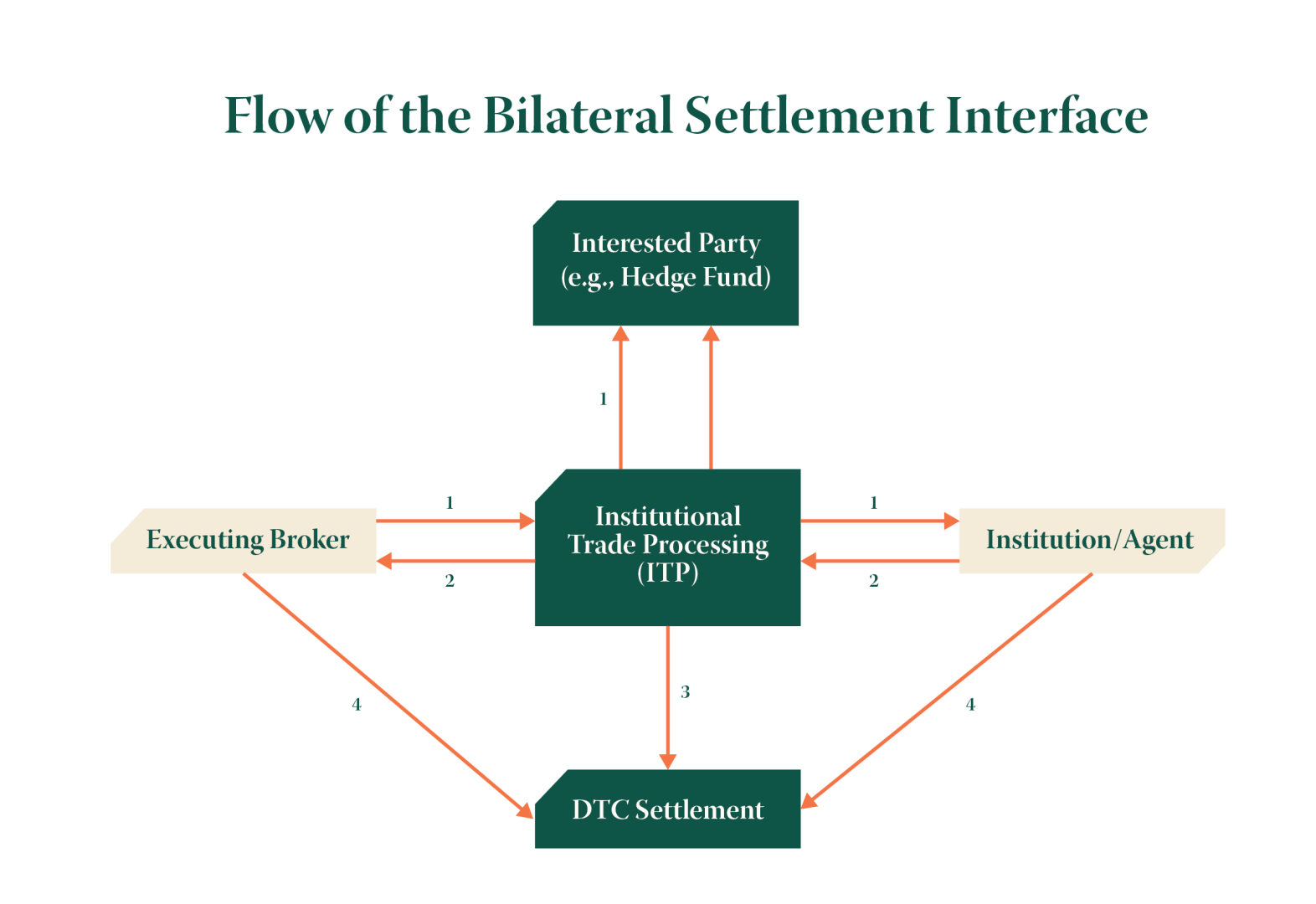
Most asset transfers utilize ACATS, a highly efficient system managed by the National Securities Clearing Corporation that reduces manual errors and expedites the process.
Clients initiate transfers via their new broker’s online portal, completing an ACATS form that authorizes the electronic movement of their securities. This method supports a wide range of asset classes, including stocks, bonds, ETFs, and mutual funds, though certain assets like foreign securities or specific mutual funds may require manual intervention.
Choosing to transfer assets “in kind” preserves holdings as they are, avoiding tax events that would be triggered by liquidating and moving cash instead. The process typically takes around five to seven business days, during which assets may be temporarily inaccessible, warranting advance planning for traders who need to maintain market agility.
Common Challenges and How to Overcome Them in Brokerage Transfers
Transfer failures can occur for multiple reasons: incorrect account information, unsupported security types, or mismatched account types. These hiccups demand proactive communication with the receiving broker to correct forms or explore alternative transfer options.
Another common issue surrounds fractional shares, which many brokerages like Vanguard or Merrill Edge may not support for direct transfers. In such cases, liquidating fractional holdings and transferring the resultant cash balance is the pragmatic solution.
Investors should continually monitor transfer progress through their brokerage accounts and promptly address any status flags to avoid cancellations or extended holds. These steps ensure that portfolio continuity remains intact and that investor strategies—whether short-term or long-range—face minimal disruption.

Post-Transfer Verification and Final Checks
Upon completion of the transfer, verifying all assets arrived correctly is paramount. Cross-referencing shares and quantities against your original records ensures no losses or omissions occurred. Should discrepancies arise, immediate liaison with the new brokerage’s support team—be it at Ally Invest or others—is essential to resolve the issues swiftly.
Additionally, investors may explore new functionalities or educational tools offered by their new brokers to maximize the advantages of the switch, taking full advantage of the diverse brokerage landscape as of 2025.
